
Why Farmers markets are important
Before the bell rings and the shopping begins, the farmers and artisans are preparing for the day. Each one has thoughtfully packed their goods to bring to market. Each table display has been curated with the community in mind. The anticipation of conversations fills the air.
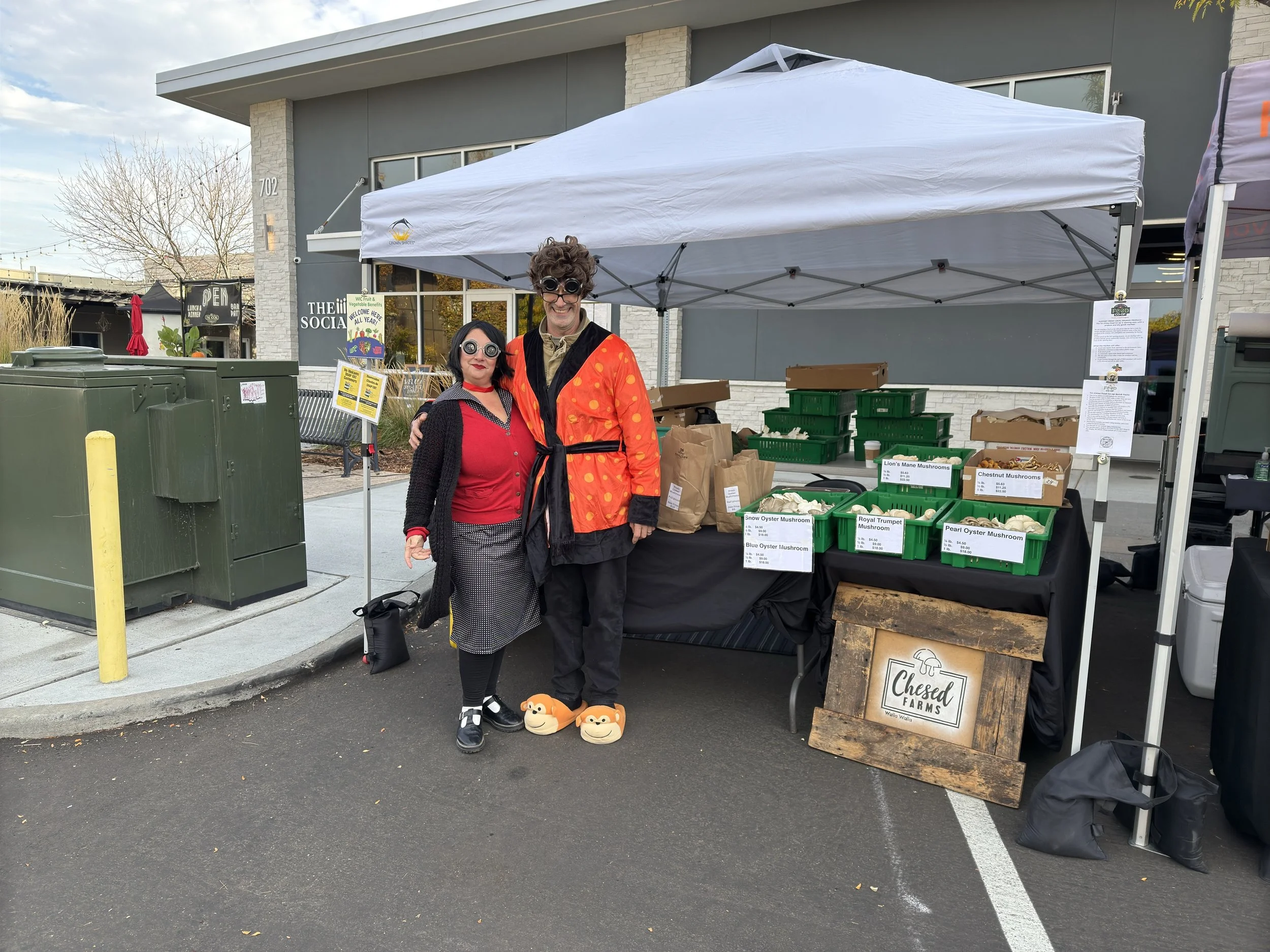
The Farmers Market brings the community together, it is here that the community has the opportunity to meet local growers and producers face to face. It is truly a gift to know your farmer, to know their growing techinques and hear from them on how to create delicious meals at home.
The Farmers Market is a place where community can gather each week. A place where the local economy is truly supported and food tastes better when it has traveled less.
According to the USDA, “When food is produced, processed, distributed and sold all within the same region, more money stays in the local economy. This leads to economic development and job creation. Farmers Markets provide opportunities for small farmers and businesses to sell their products, and they help meet the growing demand for locally produced food. Being able to quickly and directly market to the consumer gives farmers important income opportunities without the added costs of shipping, storage and inventory control.”
In addition, to better tasting food, minimizing your food miles helps protect the environment through less fossil fuels used, less trash created in extra packaging and when you support small local farms, you are also supporting growers who are connected to the local water, land and air and keeping it safe and healthy.
Shopping at a farmers market, means your money stays in the community creating strong economic benefits. The same farmers who are selling at the farmers markets tend to purchase their supplies from local companies and suppliers. According to Cornell Cooperative Extension “Beyond the benefits of direct sales for farmers, farmers’ markets can benefit local economies. One of these benefits is that more food dollars are spent and retained in the local area, versus on food imported from other regions of the country or internationally. As more money stays in the local economy, more money is spent by and at other local businesses. Known as the multiplier effect, for every dollar of income earned by a farmer at a farmers’ market, other local businesses generate $.48 of income. Also… consumers may be enticed to shop at other businesses in the vicinity of the farmers’ market. These indirect sales have been estimated to be $.58 for every dollar spent at a farmers market. In the same study, a job multiplier of 1.45 was found, in other words, for every job at a farmers’ market, nearly half of another job was supported somewhere else in the local economy.” Shopping and supporting farmers markets provides the community with overall economic well-being.
When you purchase your goods from farmers at the Farmers Markets you are connecting to eating seasonally, as well. Do you know when tomatoes are ripe and ready in your area? Have you ever opened a vine ripened watermelon, grown by a local producer and enjoyed that perfectly sweet flavor? You might have noticed how eating seasonally coincides with better flavor and nutritional content. Plus, our bodies are actually designed to eat seasonally. We often need different foods at different times of year.
There are so many amazing experiences when you shop at your local Farmers Market. Here, at Chesed Farms we love participating in local Farmers Markets, as it aligns with our mission to contribute to a healthy and sustainable diet, while building loving and kind relationships in our community. We can’t wait to see you at one of the many locations Chesed Farms participates in.